JD Vance Steps to the Podium as White House Ends 42-Day Press Briefing Drought
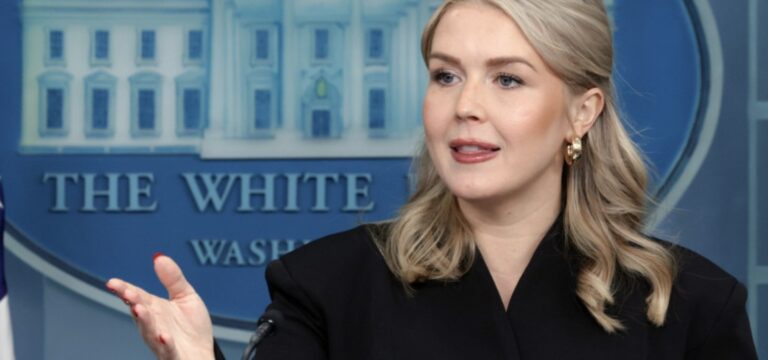
Vice President JD Vance stepped behind the White House podium on Thursday, September 3, 2026, to deliver the administration’s first formal press briefing in 42 days — the longest gap since Karoline Leavitt became press secretary at the start of Trump’s second term. NBC News’ Garrett Haake confirmed in advance that “this will be the first briefing since July 23rd,” and the session was carried live by outlets including The Hill, Just the News, and Breitbart. It marked Vance’s third turn at the podium this year, after twice filling in during Leavitt’s maternity leave earlier in the summer.
Leavitt announced her surprise resignation on August 12, telling colleagues she wanted more time with her two young children after recently returning from leave following the birth of her second child. Since her exit at the end of August, no permanent replacement has been named, leaving Vance and a rotating cast of Cabinet secretaries to handle daily briefing duties in her absence — an arrangement now stretching into its seventh week and drawing notice from a White House press corps unaccustomed to such a long stretch between formal briefings.
Details & Background
On her final day in the briefing room, Leavitt sought to reassure reporters the vacancy wouldn’t leave a communications void, joking alongside Communications Director Steven Cheung that “[Trump] is the true communications director and press secretary here at the White House.” Trump himself later remarked on the unexpected demand for the job, telling reporters Leavitt “made that job very glamorous” and that the West Wing had been flooded with applications since her departure.
Three names have emerged as the most-discussed contenders to take over full-time: CNN contributor Scott Jennings, who has publicly denied interest in the role; Principal Deputy Press Secretary Anna Kelly, who has been filling in on a rotating basis; and Communications Director Steven Cheung, who would add the title to his existing portfolio. Jennings reportedly submitted video clips to the White House defending presidential aide Natalie Harp, which some insiders took as a sign of interest despite his public denials. No timeline for a formal announcement has been given.
Reactions
At Thursday’s briefing, Vance used much of his time at the podium to go on offense over the economy, defending the administration’s efforts to bring down costs and arguing that Democratic alternatives would raise taxes rather than ease prices for families — a preview of the affordability message Republicans are expected to lean on heading into November’s midterms.
The briefing also touched on the administration’s Venezuela oil deal, which officials have argued will eventually ease prices at the pump. Energy Secretary Chris Wright, speaking from Caracas, has said Venezuelan oil flows would help lower gas prices over a 12-to-24-month window — a longer runway than the administration’s shorter-term talking points have suggested, and one independent analysts have echoed in cautioning that relief from the deal is unlikely to arrive quickly. Reporters in the room pressed Vance on both the timeline and the press secretary vacancy, though he offered no new details on either.
Why This Matters to You
A White House without a permanent press secretary more than a month into the vacancy is a visible sign of how much the administration is leaning on its top officials to do double duty heading into a high-stakes midterm season. For an administration that has prided itself on message discipline, an unsettled communications shop adds a layer of uncertainty at a moment when Republicans need a consistent voice on the economy, energy prices, and the ongoing conflict with Iran.
Vance’s growing visibility at the podium also raises his profile as a potential 2028 standard-bearer, giving him a regular, high-visibility platform to make the administration’s economic case directly to the public. Whoever ultimately fills the press secretary role will inherit a communications operation that has, for the moment, been running without its usual anchor — a dynamic voters may notice even if it doesn’t change policy outcomes, and one that could shape how the administration handles scrutiny through Election Day in November.